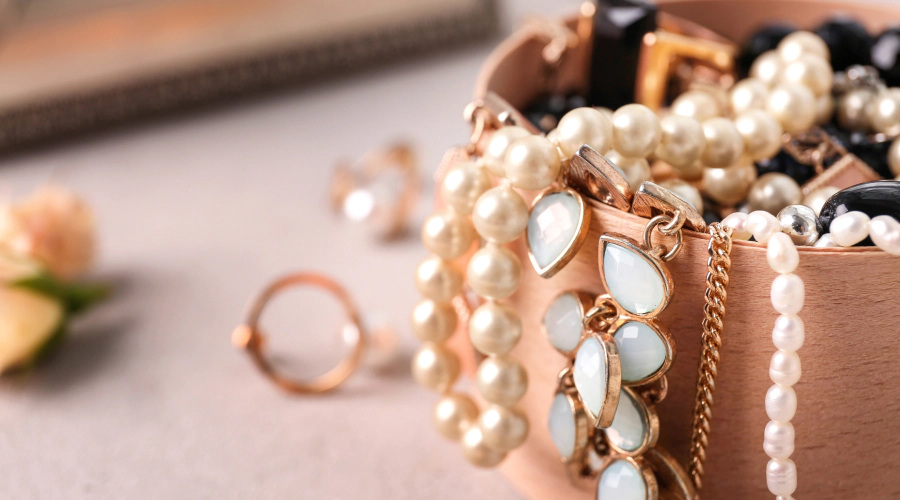
Let’s cut to the chase – just because your jewelry feels priceless doesn’t mean the market will agree. You might have paid a fortune for that diamond ring, cherished that family heirloom for years, or saved up for a meaningful memento, but the cold, hard truth is that jewelry value isn’t based on the owner’s perception of worth — it’s based on facts. And sometimes, those facts are brutal.
But don’t panic. There are ways to protect, maintain, and even boost your jewelry’s value if you play it smart. Let’s break down why your collection might not be worth as much as you hoped and what you can do to change that.
Your Sentimental Feelings Mean Nothing (To the Market, Anyway)
I know, I know — to the owner of any jewelry collection, the pieces that mean the most are the ones with a story behind them. But to an appraiser or a buyer? The attached memories are likely worth exactly zero extra dollars.
Figuring out the value of jewelry can be a complex and nuanced process that takes many factors into account including stone quality, metal purity, craftsmanship, brand name, rarity, and demand. (Note that “sentimental value” isn’t on the list.) If your piece is outdated, poorly made, or has subpar materials, the market simply does not care how much you love it.
What you can do: You can’t put a price on memories, but you can get a professional appraisal so you actually know what you’re working with. If repairs or upgrades could increase the value of a piece, handle them now instead of later. Which brings us to our next point…
Jewelry Needs TLC. Neglect Will Cost You.
If you treat your jewelry like it came out of a 25-cent gumball machine or wear it 24/7 without cleaning or maintenance, don’t be shocked when it starts losing value faster than a car the second you drive it off the lot. Loose prongs, chipped stones, and tarnished metal don’t exactly scream “valuable investment.”
A flawless diamond is worth a lot, but a chipped diamond instantly drops in value. The same goes for gold and platinum — scratches, dents, and missing links will cut their resale worth significantly.
How to keep your jewelry in check: Regular cleanings, inspections, and repairs. If a stone is loose, tighten it. If it’s scratched, polish it. A little upkeep now saves you a world of disappointment later.
Trends Change. So Does Your Jewelry’s Worth.
Jewelry value isn’t written in stone, even if your piece is covered in them. What’s hot today might be cold tomorrow. Yellow gold ruled the ‘80s, white gold took over in the ‘90s, and guess what? Yellow gold is back again. One decade it’s all about massive diamonds; the next, people want vintage-style colored gemstones.
Your jewelry’s resale value is greatly influenced by the trends of the day. If it’s outdated, you might not get what you hoped for when it’s time to sell.
Want to stay ahead? If you’re holding onto jewelry as an investment, get it appraised regularly to keep up with market changes. If you’re thinking of selling, consider updating older pieces to make them more desirable. A simple redesign can turn a “meh” piece into a must-have.
Not All Gemstones Are Created Equal
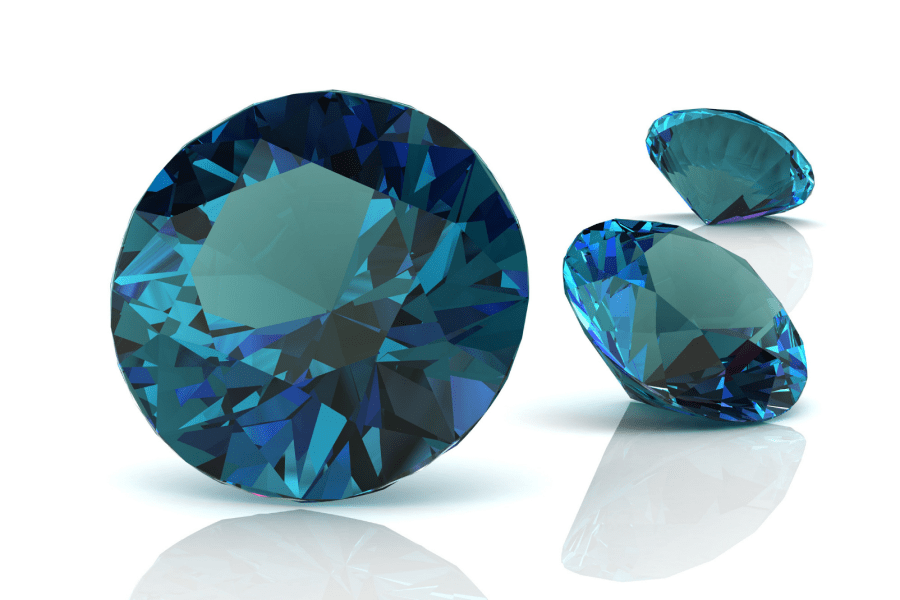
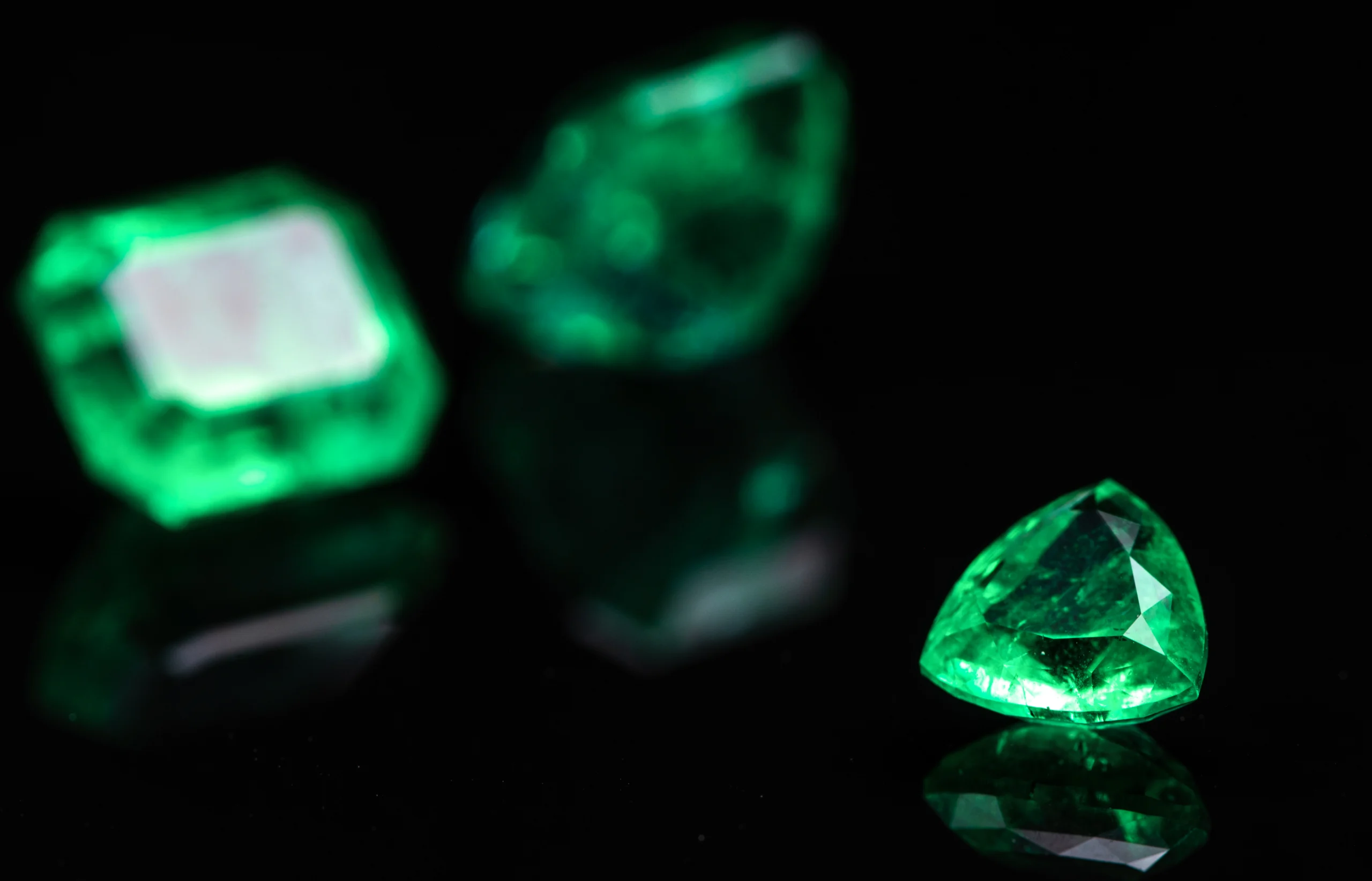
Just because it sparkles doesn’t mean it’s valuable. Many people assume all diamonds, sapphires, emeralds, and rubies automatically hold high value, but that’s not always the case. A one-carat diamond with visible flaws? Probably worth less than a smaller, high-quality stone. Heat-treated and lab-created gems may be common in the jewelry world nowadays, but their resale value can vary depending on factors like certification, rarity, and market demand.
How to know what you actually have: Pay attention to certification and grading reports. If you’re selling, get an expert appraisal. If you’re buying, work with a trusted expert so you’re not fooled by a pretty stone with no long-term value.
No Paperwork? No Proof? No High Value.
You know what makes a piece of jewelry worth more? Receipts. Literally. A GIA-certified diamond, a gold bracelet with a proper hallmark stamp, an antique brooch with documentation — proof of value can mean the difference between a shining investment and a dull disappointment. Without it, even an expensive piece can be a nightmare to insure or resell.
Get your paperwork in order: Keep appraisal reports, certification documents, original packaging, and purchase receipts safe. If you don’t have them, get an appraisal ASAP. The market rewards those who come prepared.
Bottom Line: Know Your Jewelry’s True Value
Your jewelry might not be worth as much as you think, but that doesn’t mean you can’t take control. A little maintenance, proper documentation, and regular appraisals can mean the difference between a valuable asset and a piece collecting dust.
If you’re in the Greater Baltimore Area, Danielle Broussard Jewelry Appraisals is here to help. Whether you need an appraisal for insurance, an estimation of value, a gemstone analysis, or expert guidance before making a big purchase, we’ve got you covered. Book an appointment today and ensure your jewelry is as valuable as it deserves to be.